

Discover the most effective strategies to increase engagement at events and make sure your next event leaves a mark.
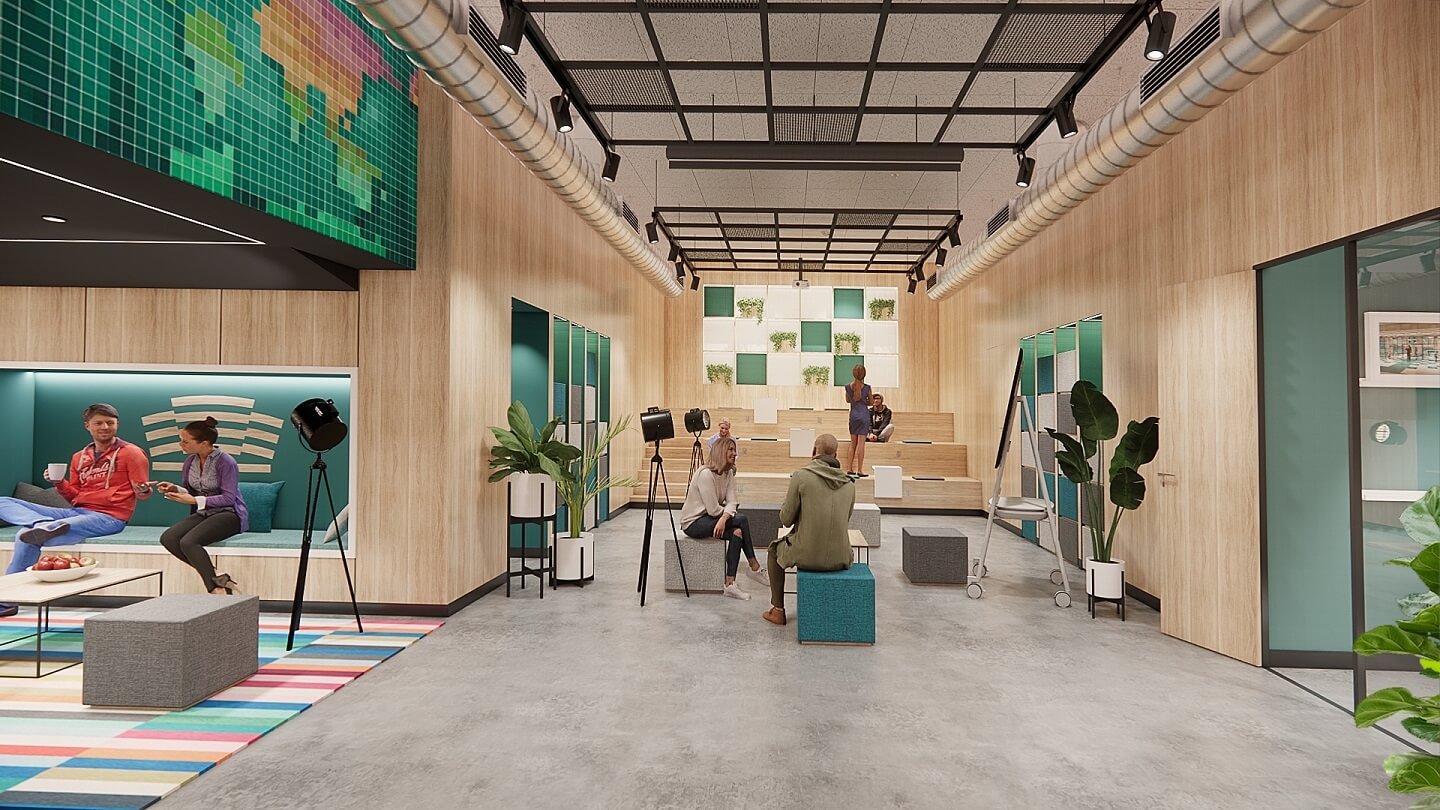
There is a huge difference between an attendee who is at an event and an attendee who experiences an event. The attendee who is at an event takes up a seat, listens with more or less attention and leaves when the programme ends. The attendee who experiences an event takes part, connects, remembers and, in many cases, acts. Increasing engagement at events is exactly this: getting most attendees to experience the event and to be fully immersed in it.
In this article we will look at how to achieve it, with strategies that make the difference between an event people attend and an event people remember.
Event design as a way of building anticipation
Engagement begins long before the attendee walks through the door. Pre-event communication is key to building curiosity, creating expectations and preparing attendees to participate, not just to receive information.
Communicate the purpose of the event, not the programme
Designing an interesting and rewarding agenda is important, but it is often not what motivates users to attend. What really creates expectations is understanding why it is worth going, whether for the conversations or the activities, and knowing what makes it unique and why the opportunity to attend cannot be missed.
Involve attendees before the event
Pre-event surveys, open questions, topic selection or challenges set in advance are some of the ways to make attendees feel that the event is for them before it even begins. Someone who feels they have taken part in designing the event has more interest in the outcome.
Build a community in advance
Whether it is a communication group, an active hashtag or a shared space, these open up places to connect that lower the barrier of breaking the ice on the day of the event and activate the network before it even starts.
Choose a format that drives participation
A very common mistake is thinking that content alone generates engagement. Although it carries great weight, the format in which that content is presented largely determines whether attendees will participate actively or simply listen.
The formats that encourage engagement do not have to be the newest or most innovative ones, but the ones that create natural conditions for participation. Some of those that can work best:
- Round tables with active moderation that invites the audience to speak up.
- Structured Q&A sessions where the audience proposes the topics in real time.
- Workshops and working groups alternating with the main sessions.
- Guided networking activities that remove the awkwardness of “we’ll catch up later”.
- Moments of individual reflection before the collective discussion, so that nobody arrives with a blank mind.
The venue as a driver of engagement
The physical environment directly influences attendees’ willingness to participate. A rigid space, with rows of chairs all facing the same direction and no conversation areas, sends the implicit message that this is a space to listen in, not to participate in. A well-designed space does exactly the opposite.
The most important elements that help increase engagement at events:
- Flexible layout that allows the format to be changed according to the dynamics of each block.
- Informal conversation areas where networking happens naturally.
- Suitable lighting and temperature to keep energy levels up throughout the day.
- Break areas that invite people to pause and talk, not just to wait for the next block.
- Catering well integrated into the event design, not as an interruption but as a moment of connection.
A space that makes movement, conversation and changes of format easier multiplies the possibilities for engagement without the need to add any extra element.
The keys to maintaining engagement after the event
The closing of the event is the moment when the engagement generated is most often wasted. Attendees leave energised, with half-finished conversations and decisions still to be made, and if there is nothing to capture that momentum, it fades within hours.
Make follow-up part of the event design
The follow-up plan should be ready before the event, not improvised afterwards. What is sent, when, with what objective and what specific action the attendee is expected to take are some of the questions that must be answered during the design phase.
Activate the content generated during the event
Recordings, conclusions from working groups or round tables, unanswered questions… all have a life of their own beyond the event. It is essential to distribute them strategically in order to extend the impact and keep the conversation alive.

Measure real engagement
Measuring only the number of attendees and the score in a survey taken immediately after the event does not say much about the real impact. There are other questions that can be more precise:
- How many attendees took some kind of action after the event? Buying, hiring a service, sharing it, etc.
- How many conversations were started?
- Which content generated the most interaction in the following days?
These questions make it possible to improve at the next event and provide more relevant information.
If you are planning your next event and looking for a venue that encourages engagement from the very first moment, WTC Barcelona offers more than 7,000 m² of versatile, bright rooms equipped with state-of-the-art technology, in a unique location facing the Mediterranean.
A team specialised in corporate events will support you from the first enquiry to the last detail, so that you can focus on what matters: making sure the event fulfils its purpose. Contact us with no obligation and tell us what you have in mind.
If you want to know more about events, trends and tips, you will find more articles like these on our blog — don’t miss out!


